Source Coin Operated Skill Game Monitor for Arcade, Amusement, and Entertainment
Compare 30 coin operated skill game monitor options featuring capacitive touch screens, metal frames, and HDMI interfaces. Buyers can evaluate models with 1920x1080 resolution, 15-day lead times, and customized dimensions for arcade, amusement, and entertainment applications; compare the available evidence and request quotations based on your requirements.
Key considerations
Products List
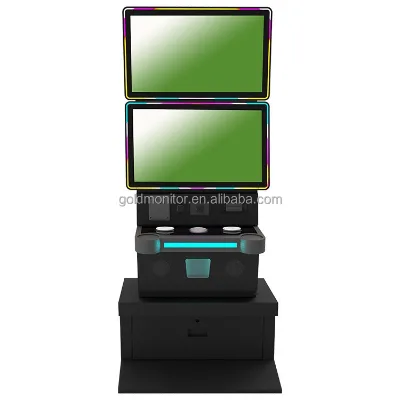


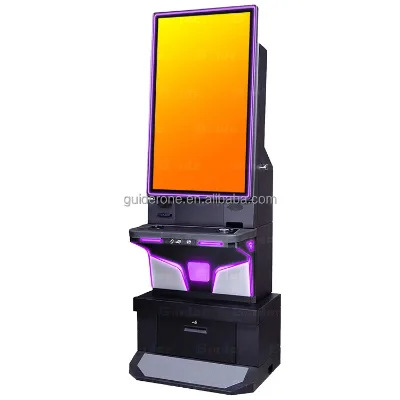




Comprehensive Sourcing Guide
Coin Operated Skill Game Monitor Sourcing Guide
Procuring coin-operated skill game monitors requires a strategic approach that balances technical performance with commercial viability. These displays serve as the visual interface for arcade cabinets, redemption games, and interactive entertainment systems, making their reliability critical to user engagement. Buyers must navigate a market where specifications vary significantly between standard retail displays and ruggedized units designed for high-traffic public environments. Understanding the distinction between capacitive and resistive touch technologies is essential, as is verifying the structural integrity of the frame and glass to withstand physical impact.
The sourcing process involves evaluating suppliers based on their ability to provide customization, lead times, and warranty support. Observed market data indicates a wide price range, reflecting differences in screen size, resolution, and build quality. Buyers should prioritize suppliers who offer transparent communication regarding production timelines and packaging standards. Establishing clear requirements for interface compatibility, such as HDMI or VGA connections, ensures seamless integration with existing game hardware. This guide outlines the key considerations for selecting the right monitor while mitigating common procurement risks.
Product Scope and Observed Listing Signals
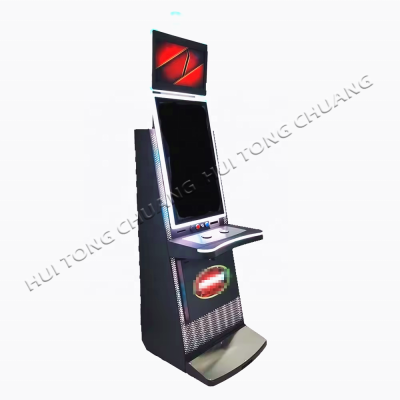
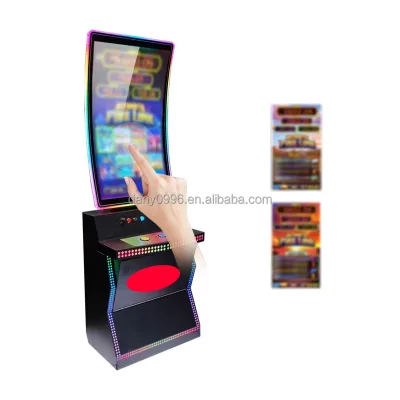
The current market for coin-operated skill game monitors features a diverse array of models, ranging from compact 19-inch units to larger 32-inch displays. High-confidence data reveals that many listings offer customization options, allowing operators to tailor aspect ratios and frame materials to specific cabinet designs. The observed price range spans from approximately $151 to $49,000, indicating a spectrum from basic replacement panels to premium, fully integrated gaming stations. Buyers should note that "skill game monitor" often encompasses both the display component and the associated control hardware, necessitating careful verification of what is included in the base price.
Listing signals also highlight variations in touch screen technology, with capacitive screens being a common feature for modern interactive applications. The presence of tempered glass touch panels suggests a focus on durability and clarity, essential for maintaining visual quality in busy arcade settings. Additionally, the prevalence of metal frames indicates a preference for robust construction that can endure frequent use. Buyers must distinguish between standalone monitors and complete game systems, as some listings may bundle the display with internal electronics, coin mechanisms, or software, significantly altering the procurement scope and total cost of ownership.
Technical Specifications to Verify
Verifying technical specifications is paramount to ensuring compatibility with existing game infrastructure. Buyers should confirm the interface types supported by the monitor, with HDMI and VGA being common standards observed in the market. The optimum resolution of 1920x1080 is frequently cited, providing a clear visual experience for gaming applications. It is crucial to verify the response time, as slower panels can introduce latency that negatively impacts gameplay. Additionally, the aspect ratio, often 16:9 or customized, must align with the game software’s rendering requirements to prevent distortion or black bars on the screen.
Touch functionality is another critical technical aspect, with capacitive screens offering multi-touch capabilities and superior clarity compared to resistive alternatives. Buyers must ensure that the touch controller is compatible with their operating system and game software. The power supply requirements, such as 110V input, should be verified against local electrical standards to avoid the need for additional transformers. Furthermore, the control type, whether buttons or remote, affects the user experience and should be selected based on the specific game mechanics. Confirming these details prevents integration issues and ensures a seamless deployment of the gaming hardware.
Compliance and Safety Documentation
Compliance with safety and environmental standards is non-negotiable for public-facing gaming equipment. Buyers must request documentation verifying that the monitors meet relevant electrical safety regulations for the target market, such as CE or FCC certification. These certifications ensure that the device operates safely under normal conditions and does not pose a risk of electric shock or fire. Additionally, compliance with RoHS directives is essential to confirm that the product is free from hazardous substances, which is increasingly important for international trade and environmental responsibility.
Packaging standards also play a role in compliance and product protection. Observed listings indicate the use of carton packing, bubble film, stretch film, or wooden frames, depending on the size and fragility of the unit. Buyers should verify that the packaging meets international shipping standards to prevent damage during transit. Proper labeling and handling instructions are also critical for logistics partners. Ensuring that all documentation is complete and accurate facilitates smoother customs clearance and reduces the risk of delays or penalties at the destination port.
Cost Drivers and Commercial Terms
Several factors influence the total cost of coin-operated skill game monitors, including screen size, resolution, and customization level. Larger screens with higher resolutions and specialized features, such as integrated touch controls or ruggedized frames, command higher prices. The observed MOQ range of 1-10 units suggests flexibility for small-scale buyers, but bulk orders may offer better per-unit pricing. Buyers should also consider the lead time, which is typically around 15 days for standard models, but may extend for customized orders. Understanding these variables helps in budgeting and planning inventory levels effectively.
Warranty terms are a significant component of the commercial agreement, with a one-year warranty being a common offering. Buyers should clarify the scope of the warranty, including coverage for parts and labor, and the process for claiming repairs or replacements. Shipping costs, insurance, and import duties also contribute to the final landed cost. It is advisable to negotiate clear terms for returns and defective units to mitigate financial risk. Transparent communication regarding all cost components ensures that buyers can make informed decisions and avoid unexpected expenses during the procurement process.
Supplier Qualification and Quality Control
Evaluating supplier qualifications is essential to ensure reliability and product quality. Buyers should verify the supplier’s manufacturing capabilities, including their experience in producing gaming monitors and their ability to handle customization requests. Checking for relevant certifications, such as ISO 9001 for quality management, can provide insight into their production processes. Additionally, reviewing customer feedback and case studies can help assess the supplier’s reputation and consistency in delivering products that meet specifications. A supplier with a strong track record is more likely to provide consistent quality and timely delivery.
Quality control measures should be clearly defined and agreed upon before placing an order. Buyers should request information on the supplier’s inspection processes, including incoming material checks, in-process inspections, and final product testing. It is advisable to conduct third-party inspections for large orders to verify that the products meet the agreed-upon standards. Clear communication regarding quality expectations and acceptance criteria helps prevent disputes and ensures that the delivered monitors are free from defects. Establishing a strong relationship with a qualified supplier fosters trust and facilitates smoother transactions.
Long-Term Procurement Checks
Long-term procurement success depends on establishing ongoing performance monitoring and supplier relationship management. Buyers should track key performance indicators, such as defect rates, delivery times, and after-sales support responsiveness, to evaluate supplier performance over time. Regular reviews of these metrics help identify potential issues early and allow for corrective actions. Maintaining open communication with the supplier facilitates continuous improvement and ensures that any changes in product specifications or market conditions are addressed promptly. This proactive approach helps maintain a stable supply chain and supports the long-term success of gaming operations.
Additionally, buyers should stay informed about technological advancements and market trends in the gaming monitor industry. Regularly reviewing product offerings and comparing them with current needs ensures that the procurement strategy remains aligned with business objectives. Building a diversified supplier base can mitigate risks associated with single-source dependencies. By continuously evaluating and adapting procurement practices, buyers can optimize costs, improve product quality, and enhance the overall gaming experience for end-users. This strategic focus on long-term value creation is crucial for sustained competitiveness in the gaming industry.
FAQs
What resolution and interface options are available for these monitors?
The monitors offer an optimum resolution of 1920x1080 pixels with an 8ms response time. Interface options include VGA, DVI, and HDMI connections. This ensures compatibility with various gaming systems and arcade setups, providing clear visuals for coin operated skill game applications.
Can these displays be customized for specific arcade requirements?
Yes, customization is available for these displays. Buyers can request specific aspect ratios, frame materials, and touch glass types. The product standard is listed as customized, allowing for tailored solutions to meet unique arcade design needs and branding requirements effectively.
What is the typical lead time for ordering these monitors?
The standard lead time for these monitors is 15 days. This timeframe applies to most standard orders, ensuring timely delivery for arcade installations. Buyers should confirm specific delivery schedules with suppliers, as lead times may vary based on order volume and customization levels.
Which touch screen technologies are supported by these units?
These units support both resistive and capacitive touch screen technologies. The resistive type is digital, while the screen type is capacitive. This flexibility allows for precise input control in gaming environments, enhancing the user experience for coin operated skill games and interactive displays.
What warranty and packaging options are provided for these monitors?
These monitors come with a 1-year warranty for buyer protection. Packaging options include carton packing, bubble film, stretch film, or wooden frames. This ensures safe transit and protects the screens from damage during shipping, maintaining product quality upon arrival at the destination.
Are these monitors suitable for indoor game entertainment systems?
Yes, these monitors are designed for indoor application in game entertainment systems. They feature metal frames and tempered glass touch screens for durability. The widescreen format and touch display capabilities make them ideal for arcade cabinets and interactive gaming kiosks in indoor venues.